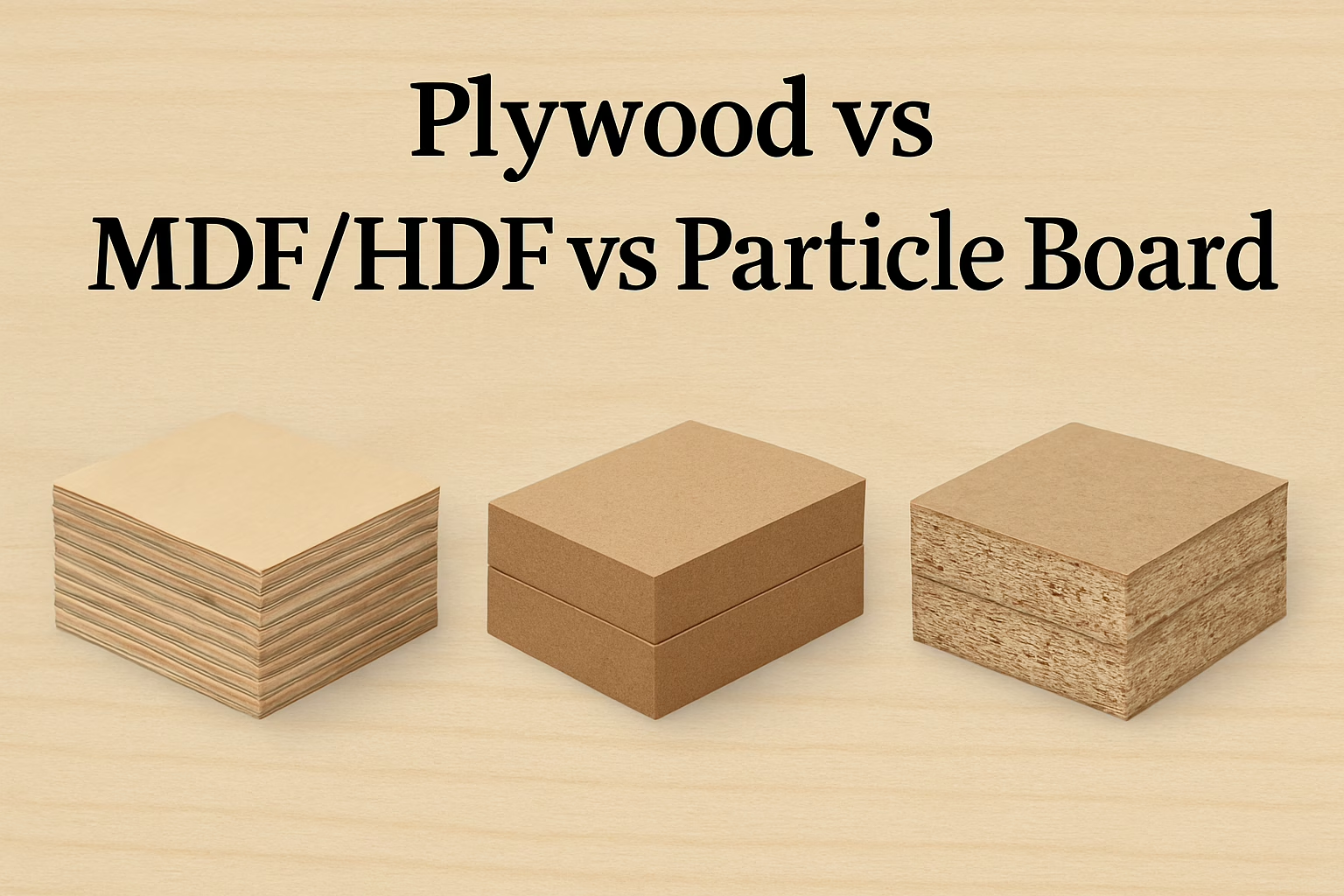
When choosing the right wood-based panel for furniture or construction, customers often get confused between Plywood, MDF (Medium Density Fibreboard), HDF (High Density Fibreboard), and Particle Boards. While they may look similar from the outside, their internal structure, durability, and applications vary widely.
In this blog, we break down the key differences, pros and cons of each – helping homeowners, contractors, and furniture makers make informed decisions.
Plywood: Strength Meets Versatility
What is it?
Plywood is made by layering thin sheets of wood veneer (plies) with the grains arranged alternately at right angles and bonding them with resins under heat and pressure.
Key Features:
- High strength and durability
- Good screw holding capacity
- Moisture and weather resistant (BWR/BWP grades)
- Available in commercial, marine, and shuttering grades
Pros:
- Excellent for load-bearing applications
- Long-lasting
- Available in various thicknesses and sizes
- Works well with laminates and veneers
Cons:
- Slightly more expensive than engineered boards
- Edges need to be sealed properly
Ideal For: Kitchen cabinets, wardrobes, beds, modular furniture, partitions, wall panels, and construction shuttering.
MDF & HDF: Smooth Finish, Affordable Solution
What is MDF/HDF?
MDF is made by breaking down hardwood or softwood residuals into wood fibres and combining them with wax and resin under high pressure. HDF is a denser version of MDF, offering better strength and moisture resistance.
Key Features:
- Uniform surface, ideal for painting
- Smooth edges
- Less expensive than plywood
Pros:
- Easy to cut and shape
- Great for intricate carving and CNC routing
- No grain — perfect for paint and lacquer finishes
Cons:
- Lower moisture resistance (unless HDF with special treatment)
- Poor screw holding capacity compared to plywood
- Prone to sagging under heavy weight
Ideal For: Painted furniture, decorative wall panels, moldings, low-load bearing applications, and interior doors.
Particle Board: Budget-Friendly, Lightweight
What is it?
Light panels made from wood chips, sawdust, and resin, particle boards are compressed into flat panels.
Key Features:
- Low cost
- Lightweight
- Available in laminated and pre-laminated variants
Pros:
- Most economical option
- Available in various finishes and colors
- Easy to handle and install
Cons:
- Not suitable for wet or humid conditions
- Poor durability and screw holding strength
- Brittle compared to MDF and plywood
Ideal For: Temporary furniture, rental homes, back panels of wardrobes, office partitions, and economy range modular setups.
Quick Comparison Table
| Feature | Plywood | MDF/HDF | Particle Board |
|---|---|---|---|
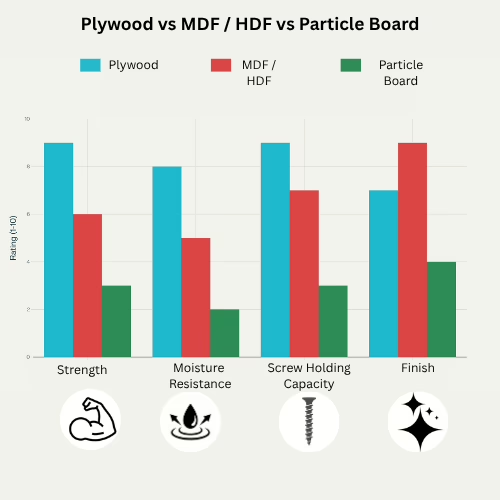
| Strength | High | Medium (HDF > MDF) | Low |
| Moisture Resistance | Good (BWR/BWP grades) | Moderate (HDF only) | Poor |
| Cost | High | Moderate | Low |
| Screw Holding Capacity | Excellent | Fair | Poor |
| Finish | Needs Laminate/Veneer | Smooth – ideal for paint | Usually pre-laminated |
| Weight | Moderate | Heavy | Lightweight |
| Application | Structural & furniture | Decorative | Budget furniture |
Which One Should You Choose?
- Go for Plywood if you value strength, durability, and longevity. Ideal for kitchens, wardrobes, and structural work.
- Choose MDF/HDF if you want a smooth, paintable surface for low-to-medium strength applications like decorative furniture or doors.
- Pick Particle Board if you need cost-effective, lightweight furniture for temporary or low-use setups.
Conclusion
Each of these engineered wood panels serves a unique purpose. At Deepak Lamination, we believe in educating our customers so they can choose materials that align with their requirements and budgets. While plywood remains the superior choice for long-term strength and reliability, MDF and particle boards have carved their niche in cost-effective and decorative applications.
Still unsure which material suits your project? Feel free to contact us or visit our factory to explore the options in person.