What is ZED Certification?
ZED, short for Zero Defect Zero Effect, is an ambitious certification scheme launched by the Indian government to empower Micro, Small, and Medium Enterprises (MSMEs). The primary goal of ZED is to drive Indian MSMEs towards world-class manufacturing by promoting zero defects in products and zero adverse effects on the environment.
ZED certification instills a culture of quality, safety, sustainability, and resource efficiency. It helps businesses adopt global best practices—resulting in better quality products, less waste, optimal resource utilization, and an environmentally conscious approach to manufacturing. The certification also unlocks various government incentives, improves market reputation, and enhances opportunities for both domestic and international business.
Why is ZED Certification Important?
- Quality Assurance: ZED ensures that products are manufactured to rigorous quality standards, minimizing defects and rejections.
- Environmental Commitment: The “Zero Effect” principle pushes companies to adopt eco-friendly processes, control pollution, and manage waste responsibly.
- Global Competitiveness: ZED-certified companies are more likely to meet international standards—a key for global market access.
- Operational Excellence: Companies benefit from higher efficiency, lower wastage, and improved safety, ultimately boosting profitability.
- Government Incentives: ZED-certified MSMEs get financial assistance, easier access to government schemes, and preference in public tenders.
Categories of ZED Certification
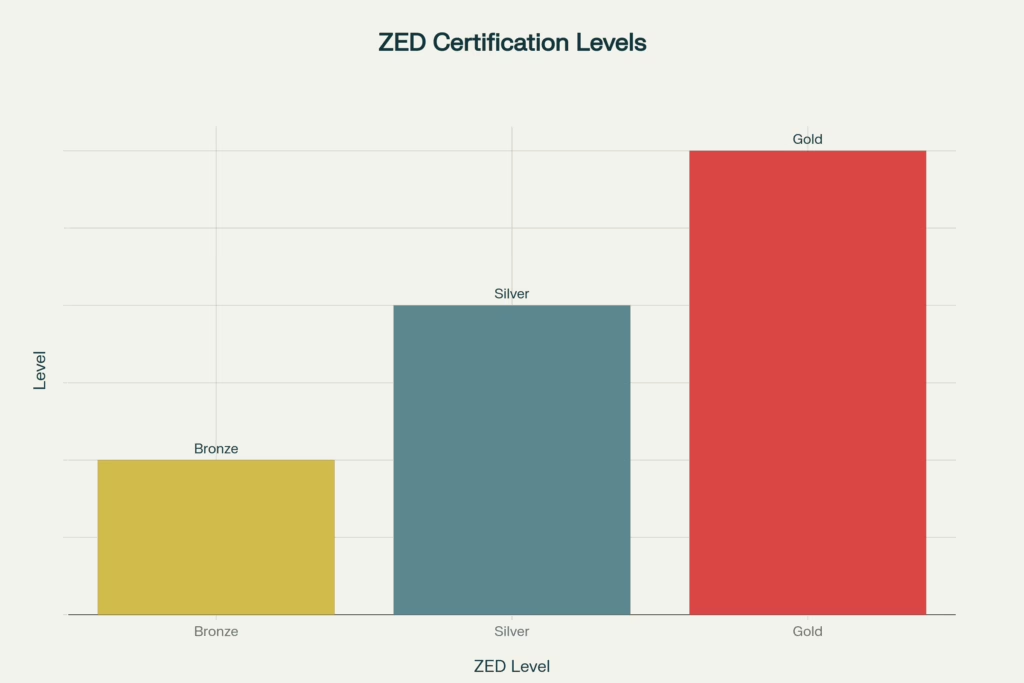
ZED certification is structured into three progressive levels based on an MSME’s maturity and compliance with ZED parameters:
| Level | Description |
|---|---|
| Bronze | Demonstrates basic compliance with quality and environmental parameters. |
| Silver | Recognition of structured, consistently implemented best practices within the MSME. |
| Gold | Reserved for enterprises exemplifying best-in-class, world-standard practices across all ZED parameters. This is the highest achievement signifying sustained, holistic excellence. |
Parameters evaluated for ZED certification include Quality management, Workplace safety, Cleanliness, Production management, Environmental stewardship, Energy management, Human resources, Risk management, Technology upgradation, and Corporate social responsibility, among others.
Sectors Covered
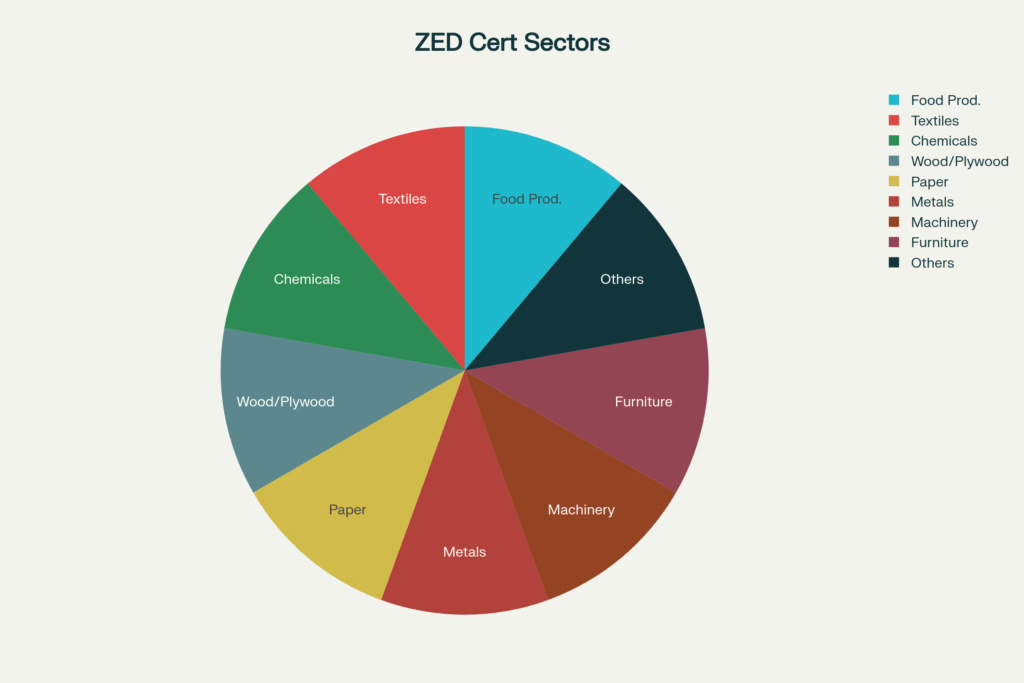
ZED is open to a wide range of manufacturing sectors, including food products, textiles, chemicals, wood and plywood, paper, metals, machinery, furniture, and more. Each sector is evaluated based on its relevance to the core ZED parameters.
Deepak Lamination: ZED Gold Certification in the Plywood Segment
Standing tall among industry peers, Deepak Lamination distinguishes itself as one of only nine plywood factories across India to have earned the prestigious ZED Gold Certification. This rare honor places Deepak Lamination in an elite league, proof of its relentless commitment to excellence, sustainability, and continuous innovation in plywood manufacturing. Achieving ZED Gold means Deepak Lamination has consistently demonstrated superior processes, robust quality management, sustainable practices, and a strong focus on environmental responsibility.
For customers and industry partners, Deepak Lamination’s ZED Gold status is a mark of trust—it assures that every product adheres to the highest standards, is manufactured responsibly, and meets both national and global expectations.
In summary:
ZED certification is not just a government label; it’s a catalyst for Indian MSMEs to raise their game—ensuring quality, sustainability, and competitiveness on the world stage. With their ZED Gold status, Deepak Lamination sets a benchmark for others to follow, reaffirming their leadership in the Indian plywood industry.